
A Complete Pacific Northwest Guide to Avoiding Costly Leaks
The Pacific Northwest (PNW) is known for its stunning natural landscapes, but the local weather can be notoriously harsh on residential properties. Heavy rain, high winds, hail, and winter freeze-thaw cycles work together to accelerate wear on exterior surfaces.
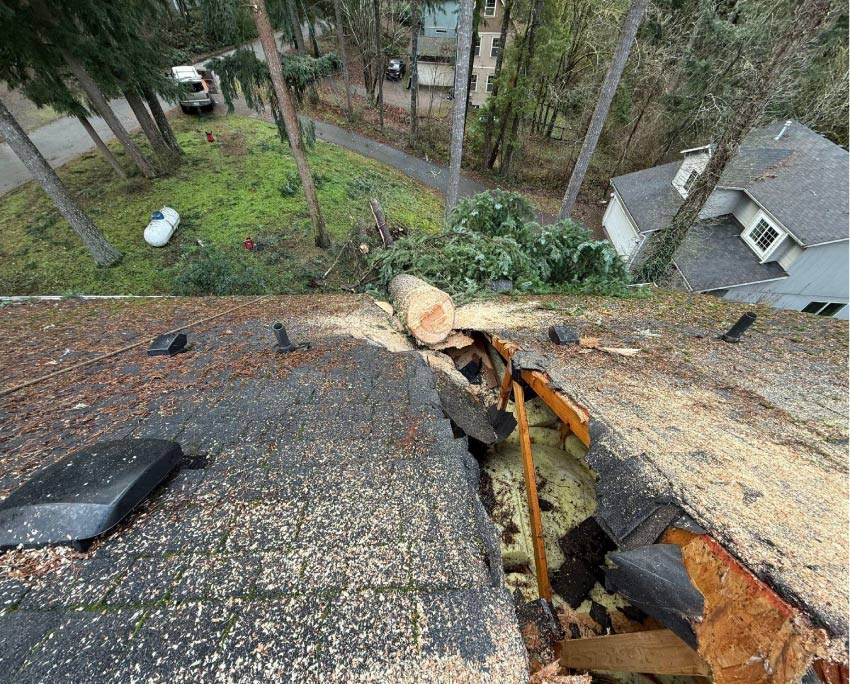
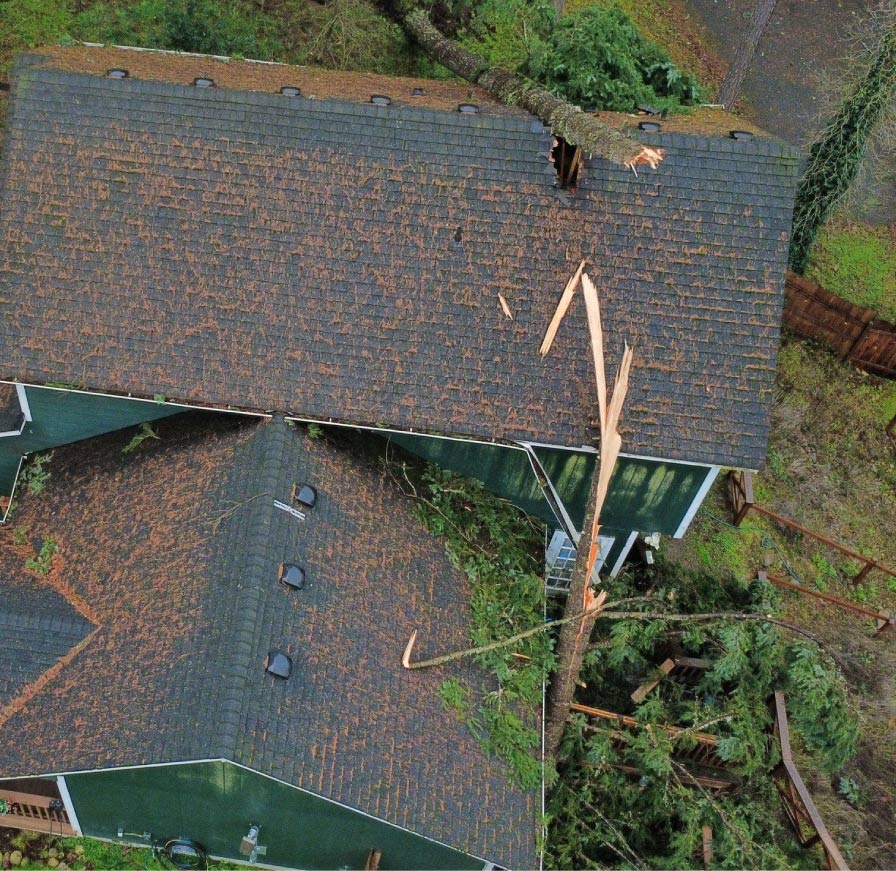
While severe destruction, like fallen tree limbs or missing shingles, is easy to see, the most dangerous issues remain out of sight. Learning how to spot hidden storm damage on your roof is crucial to stopping water intrusion early.
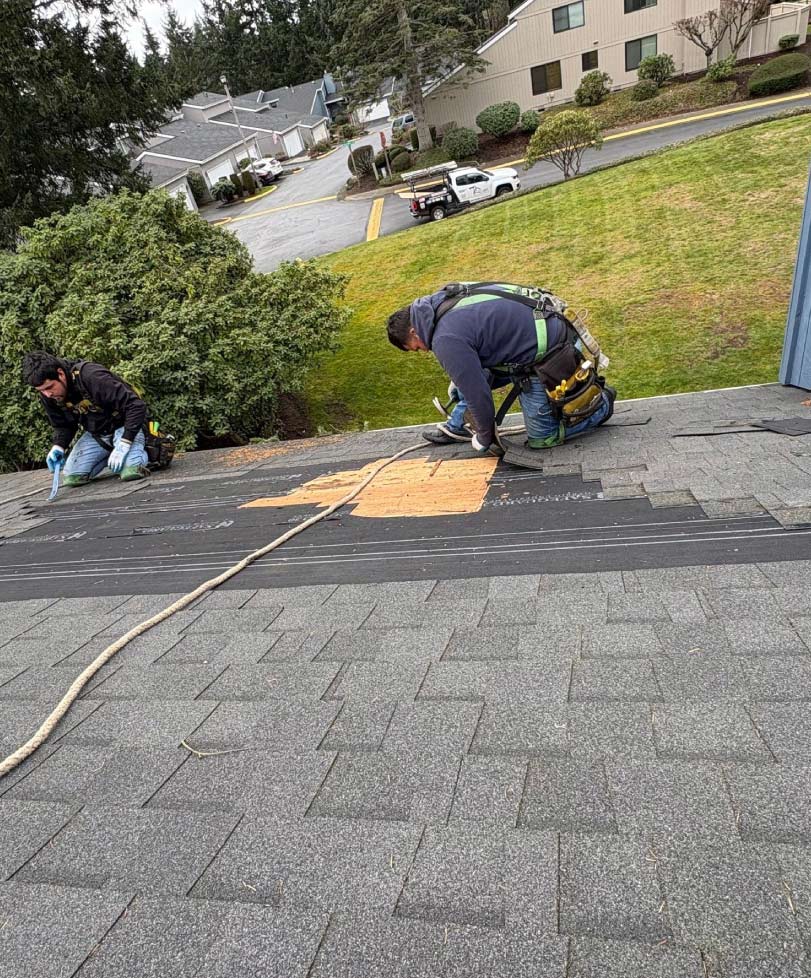
Ignoring minor vulnerabilities leads to rotted roof decks, compromised insulation, and severe interior structural issues.
Before minor moisture turns into an emergency, use this guide to identify subtle warning signs and protect your home investment.
1. Ground-Level Clues: What to Look For Outside
You do not need to climb onto a slippery roof to spot early signs of exterior trouble. Walk around your home’s perimeter after a severe weather event and inspect key features.
-
Granule Loss in Gutters: Wind and hail strip protective asphalt granules from shingles. Check your downspouts for coarse, dark sediment.
-
Dented Metal Components: Inspect fascia, vent caps, and downspouts. If hail or debris impacted metal surfaces, your shingles likely suffered damage too.
-
Loose Shingle Fragments: Strong wind gusts can lift shingles and break their underlying adhesive bond without blowing the entire piece off.
If you notice damaged trim or structural wear near your roofline, consider scheduling a professional
GROUND-LEVEL CHECKLIST AFTER A PNW STORM
2. Checking the Interior: Attic and Ceiling Signals
Water follows the path of least resistance, often traveling along internal rafters before entering living spaces. Knowing how to spot hidden storm damage on your roof requires looking inside your attic.
-
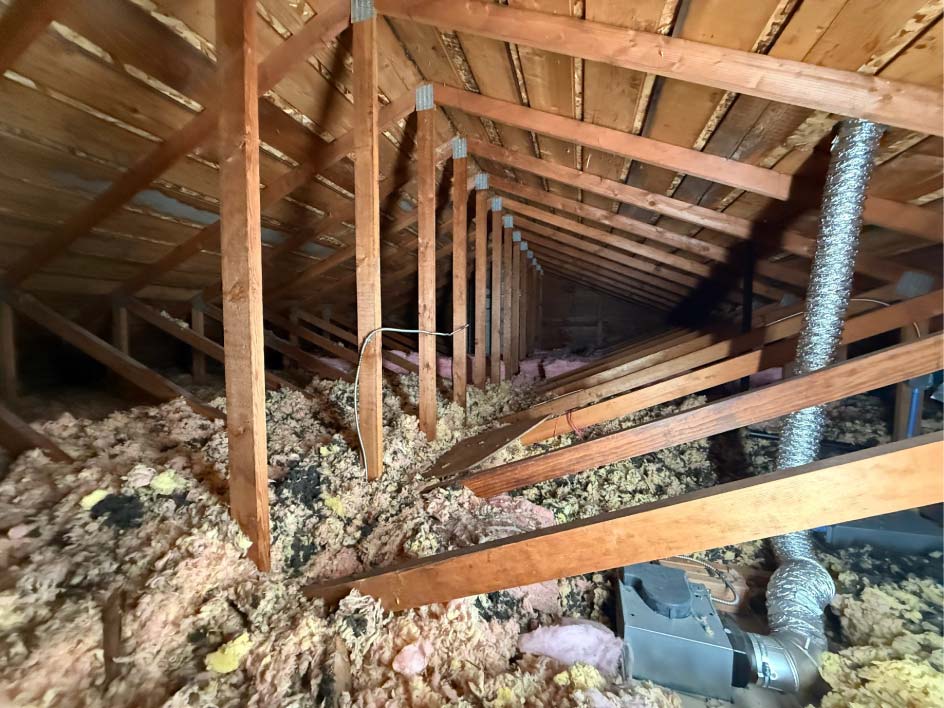
Moisture and Damp Insulation: Take a bright flashlight into your attic after rain. Look for dark spots on timber framing or damp, matted insulation.
-
Musty Odors: Trapped moisture creates an ideal environment for mold growth, resulting in lingering musty smells on upper floors.
-
Ceiling Discoloration: Ring-shaped ceiling stains or bubbling wall paint indicate active leaks moving inward.
Addressing leaks immediately prevents extensive wall damage. If water runs down exterior walls, you may also need targeted
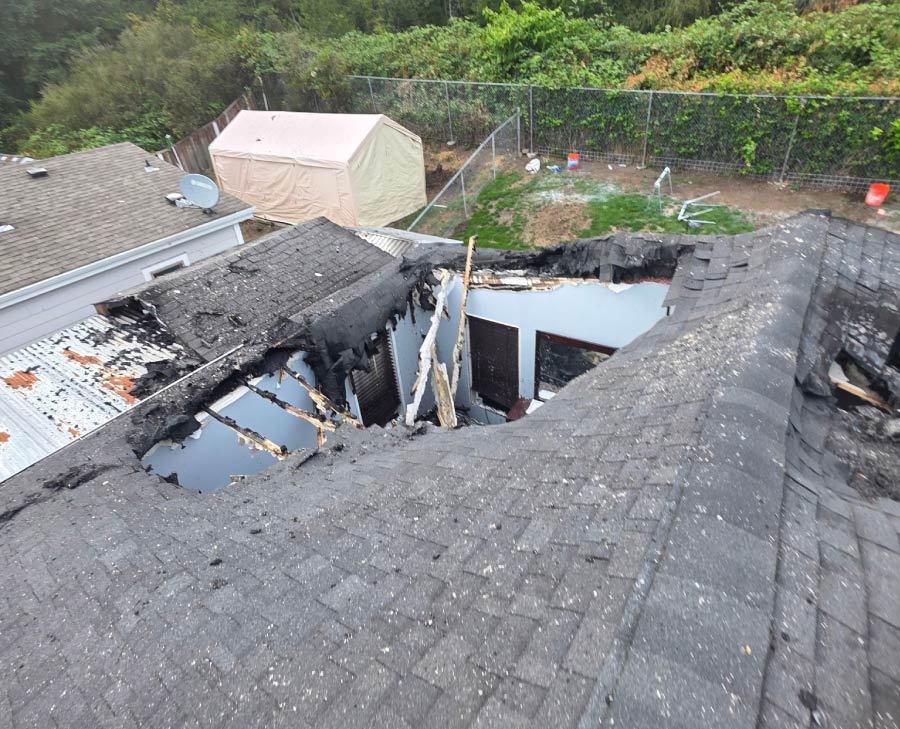
3. High-Risk Hidden Roof Damage Up Top
Some structural issues are only visible from roof level. Understanding these subtle indicators helps homeowners take fast action before structural rot sets in.
Shingle Creasing and Lifting
High-velocity winds create uplift pressure, lifting shingles upward. Even if the shingle lies back down flat, the internal fiberglass mat fractures, leaving a faint horizontal crease across the surface. This hidden crease destroys the shingle’s water-shedding ability.
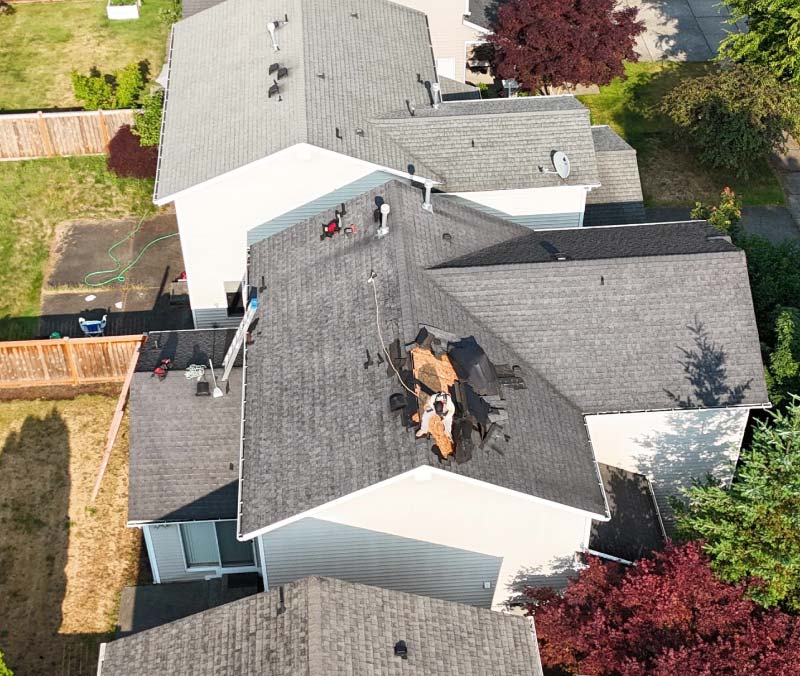
Compromised Flashing and Sealants
Flashing around chimneys, skylights, and plumbing vents expands and contracts as PNW temperatures shift. Wind-driven rain forces water into micro-gaps around loosened flashing, causing concealed decay beneath asphalt layers.
If your shingles show widespread wind lifting, minor fixes may not suffice. Explore our
4. The Hidden Impact of Hail and Debris
Hailstorm events are less frequent in the Seattle and Tacoma region than in other climates, but when hail hits, the impact can be devastating.
Hail leaves dark, soft indentations across asphalt shingles, often called “bruising.” These bruised areas rapidly lose their protective granules, leaving the underlying organic felt exposed to rain and sun exposure.
| Damage Type | Visual Appearance | Long-Term Consequence |
|---|---|---|
| Hail Bruising | Soft, dark circular depressions | Premature leak development |
| Wind Uplift | Faint horizontal crease lines | Complete shingle blow-off |
| Sealant Failure | Gaps around vents and chimneys | Hidden attic moisture rot |
If left unaddressed, bruised shingles deteriorate rapidly under continuous Washington rainfall. According to the
5. Taking Action: Professional Inspection & Claims
Catching storm damage early keeps maintenance costs manageable. Once you identify potential vulnerabilities, consult qualified exterior experts to accurately document the scope of work.
If your home sustained sudden weather damage, our team can assist with
Why Trust Final Touch Construction LLC?
Founded in 2015 by Jose Lima Ramos, Final Touch Construction LLC built its foundation on integrity, superior craftsmanship, and dedicated customer service.
Operating out of Tukwila, Washington, we serve residential and commercial clients across Seattle, Tacoma, and the surrounding Puget Sound area.
As certified installers for elite manufacturers like GAF and James Hardie, and specialists in water restoration and mitigation, our family-operated business brings over years of industry experience to every project.
We strive to be the first—and final—contractor you will ever need to keep your home’s exterior safe, beautiful, and fully protected against PNW weather.
Frequently Asked Questions (FAQs)
How soon after a storm should I check my roof for damage?
You should conduct a visual ground and attic check immediately after severe weather passes. Getting a professional roof inspection within 24 to 48 hours ensures subtle damage is documented before subsequent rainfall causes indoor leaks.
Can a roof leak without showing water stains on the ceiling?
Yes. Water often collects in attic insulation or travels along structural roof rafters before ever reaching drywall. Hidden moisture can cause wood rot, mold growth, and structural decay long before visible ceiling stains appear.
How do insurance companies evaluate hidden storm damage?
Insurance adjusters look for specific evidence like shingle creasing, hail impacts, sealant separation, and granule loss in gutters. Detailed photographic documentation and professional contractor reports help substantiate claims for unexposed damage.
Will wind-damaged shingles always blow off completely?
No. Wind often breaks the thermal seal beneath shingles, lifting them temporarily without tearing them away. This leaves invisible creases across the material and compromises its water resistance while remaining flat to the untrained eye.
Can I repair hidden storm damage myself?
While basic ground checks are safe for homeowners, climbing onto damaged or wet roofs poses severe safety risks. Identifying subtle issues like flashing separation or shingle bruising requires specialized safety gear, technical knowledge, and professional training.